



Nylon 66 Market Size 2026-2030
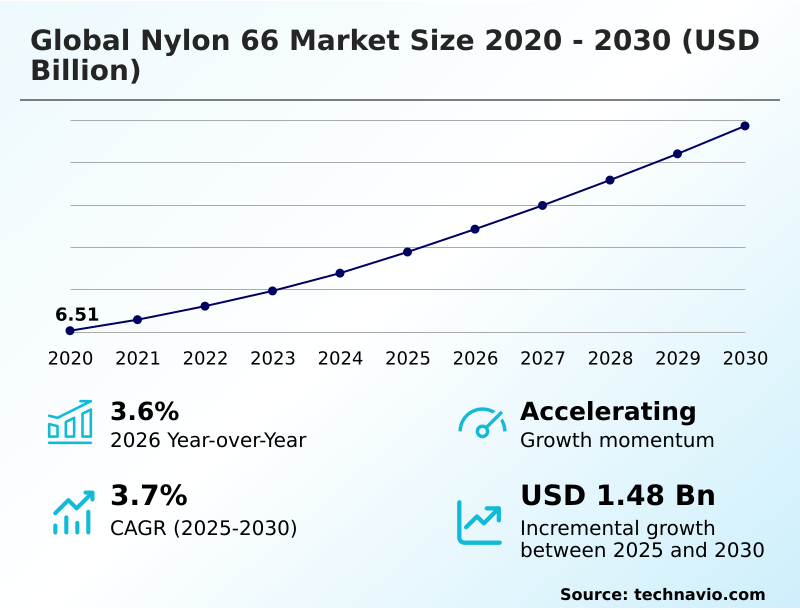
The nylon 66 market size is valued to increase by USD 1.48 billion, at a CAGR of 3.7% from 2025 to 2030. Automotive electrification and structural component lightweighting will drive the nylon 66 market.
Major Market Trends & Insights
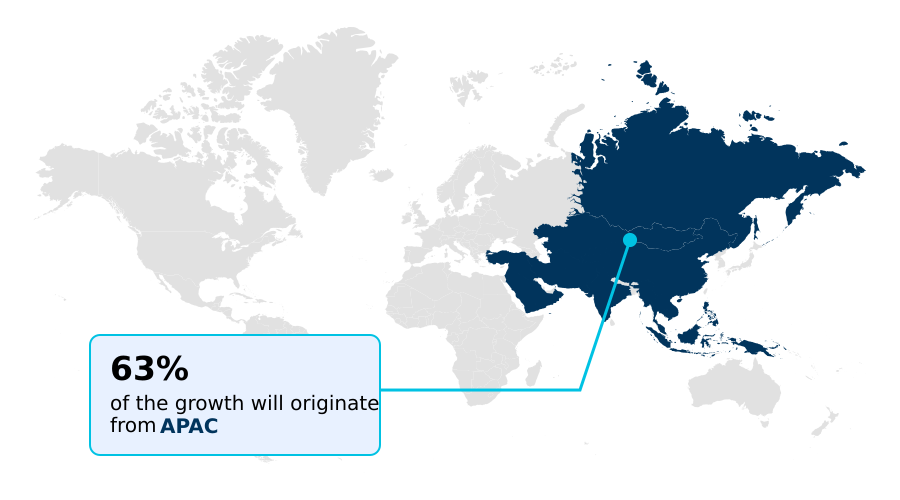
- APAC dominated the market and accounted for a 63% growth during the forecast period.
- By Product Type - Engineering resin grade segment was valued at USD 3.18 billion in 2024
- By Application - Automotive and transportation segment accounted for the largest market revenue share in 2024
Market Size & Forecast
- Market Opportunities: USD 2.41 billion
- Market Future Opportunities: USD 1.48 billion
- CAGR from 2025 to 2030 : 3.7%
Market Summary
- The Nylon 66 Market demonstrates robust expansion driven by the critical need for advanced structural thermoplastics across automotive, industrial, and electrical domains. As manufacturing sectors prioritize performance efficiency, this material provides unmatched resilience in severe operating environments.
- In a practical supply chain optimization scenario, substituting traditional cast metal engine brackets with reinforced polyamide compounds reduces component weight by approximately 45%, significantly decreasing downstream freight costs and improving vehicle fuel efficiency metrics.
- This targeted material transition serves as a powerful market driver; as automotive electrification accelerates, engineers demand lightweight, heat-resistant components to maximize battery range and comply with strict emission regulations. Conversely, the market faces persistent structural challenges due to intense upstream feedstock vulnerability.
- The complex synthesis of essential intermediate chemicals remains highly concentrated geographically, meaning any localized facility disruption rapidly triggers acute supply shortages and unpredictable material cost spikes for downstream compounders. Despite these supply chain constraints, the continuous push toward renewable energy installations and high-voltage electrical hardware ensures sustained, volume-intensive utilization of these specialized engineering polymers worldwide.
What will be the Size of the Nylon 66 Market during the forecast period?
Get Key Insights on Market Forecast (PDF) Get Free Sample
How is the Nylon 66 Market Segmented?
The nylon 66 industry research report provides comprehensive data (region-wise segment analysis), with forecasts and estimates in "USD million" for the period 2026-2030, as well as historical data from 2020-2024 for the following segments.
- Product type
- Engineering resin grade
- Fiber grade
- Specialty and modified
- Film and extrusion grade
- Application
- Automotive and transportation
- Electrical and electronics
- Textiles and apparel
- Industrial equipment
- Others
- Type
- Plastic resins and compounds
- Fibers and filaments
- Monofilaments
- Films and sheets
- Geography
- APAC
- China
- Japan
- India
- South Korea
- Indonesia
- Australia
- North America
- US
- Canada
- Mexico
- Europe
- Germany
- Italy
- France
- UK
- Spain
- The Netherlands
- Middle East and Africa
- Turkey
- South Africa
- Saudi Arabia
- UAE
- Israel
- South America
- Brazil
- Argentina
- Colombia
- APAC
By Product Type Insights
The engineering resin grade segment is estimated to witness significant growth during the forecast period.
Engineering resin grade polyamides represent a foundational element within modern manufacturing operations, serving as an advanced engineering thermoplastic specifically formulated to withstand continuous thermal exposure and severe mechanical stress.
As vehicle manufacturers aggressively pursue metal replacement strategies, these high-performance polymers consistently outperform traditional die-cast aluminum by delivering a 45% reduction in overall part mass.
By integrating glass-fiber reinforced additives during compounding, processors achieve exceptional tensile stiffness necessary for demanding under-the-hood components and industrial hardware operating under extreme operating temperatures.
This targeted material shift drives significant operational efficiency, as modern injection molding cycle times improve by up to 15% compared to complex metal fabrication processes.
Furthermore, utilizing these advanced formulations allows designers to maintain strict dimensional tolerances while consolidating multiple discrete parts into highly durable functional assemblies.
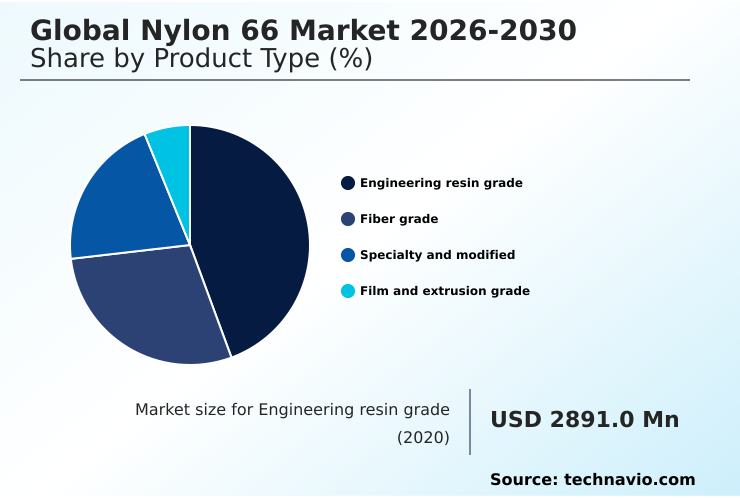
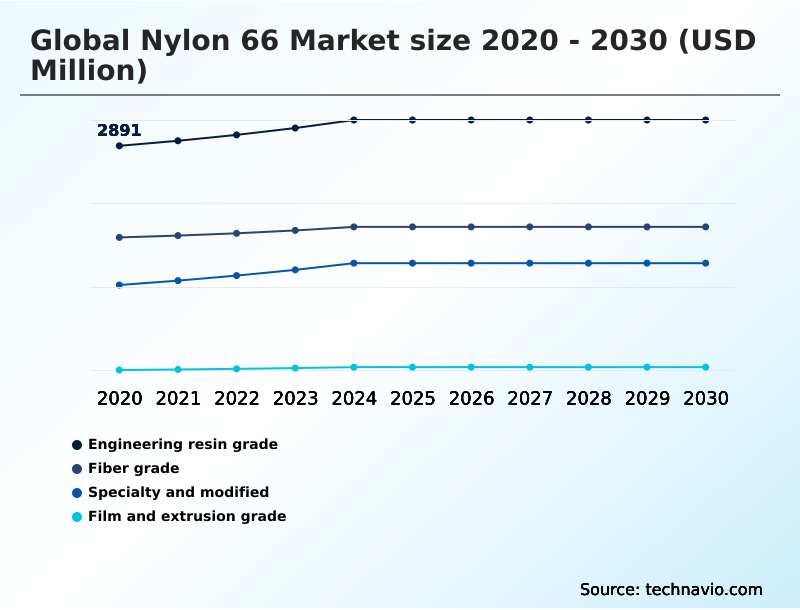
The Engineering resin grade segment was valued at USD 3.18 billion in 2024 and showed a gradual increase during the forecast period.
Regional Analysis
APAC is estimated to contribute 63% to the growth of the global market during the forecast period.Technavio’s analysts have elaborately explained the regional trends and drivers that shape the market during the forecast period.
See How Nylon 66 Market Demand is Rising in APAC Get Free Sample
The geographic distribution of the market reveals distinct operational priorities and supply chain structures across leading manufacturing regions.
APAC continues to dominate industrial volume, maintaining a 63% incremental growth advantage over mature western territories due to aggressive capacity expansions utilizing the butadiene hydrocyanation process and acrylonitrile dimerization.
This localized production surge allows Asian converters to reduce raw material procurement costs by nearly 20%, enhancing competitiveness in heavy industrial machinery elements and massive technical textile fabrication operations.
By contrast, North America and Europe focus heavily on advanced closed-loop manufacturing frameworks to meet strict automotive emission mandates.
European processors, navigating stringent carbon footprint reduction targets, have increased their adoption of post-industrial scrap recovery systems by 25% to formulate sustainable variants that preserve essential thermal stability.
These structural differences highlight regional adaptations; while Asian markets leverage massive scale, Western processors prioritize premium, halogen-free flame retardants to secure high-margin electrical infrastructure contracts.
Market Dynamics
Our researchers analyzed the data with 2025 as the base year, along with the key drivers, trends, and challenges. A holistic analysis of drivers will help companies refine their marketing strategies to gain a competitive advantage.
- The strategic procurement of advanced engineering polymers requires balancing stringent mechanical specifications with supply chain resilience. Procurement teams consistently prioritize high heat deflection temperature polymers to replace heavier metallic alloys in modern engine compartments and high-stress industrial machinery.
- As the transportation sector undergoes a massive paradigm shift, the specification of structural components for electric vehicles demands materials capable of withstanding continuous thermal loading while providing superior electrical insulation.
- In terms of operational efficiency, substituting traditional die-cast aluminum with specialized glass fiber reinforced nylon compounds yields a component weight reduction of up to forty percent, directly extending battery range and lowering overall assembly costs. To further stabilize production forecasting and mitigate raw material volatility, industry leaders are heavily investing in closed loop chemical recycling technologies.
- These sophisticated depolymerization frameworks enable compounders to reclaim and purify industrial waste, ensuring that the resulting resin maintains absolute parity with virgin fossil-based polyamides. Simultaneously, strategic efforts targeting adiponitrile supply chain capacity expansion are alleviating historical bottlenecks, allowing regional processors to maintain steadier inventory levels compared to highly volatile, imported precursor streams.
- This localization of essential monomer production combined with advanced recycling frameworks provides downstream manufacturers with a remarkably robust material pipeline. Ultimately, integrating these optimized polymer solutions empowers enterprises to achieve rigorous sustainability benchmarks without compromising the structural integrity or long-term durability of their final commercial products.
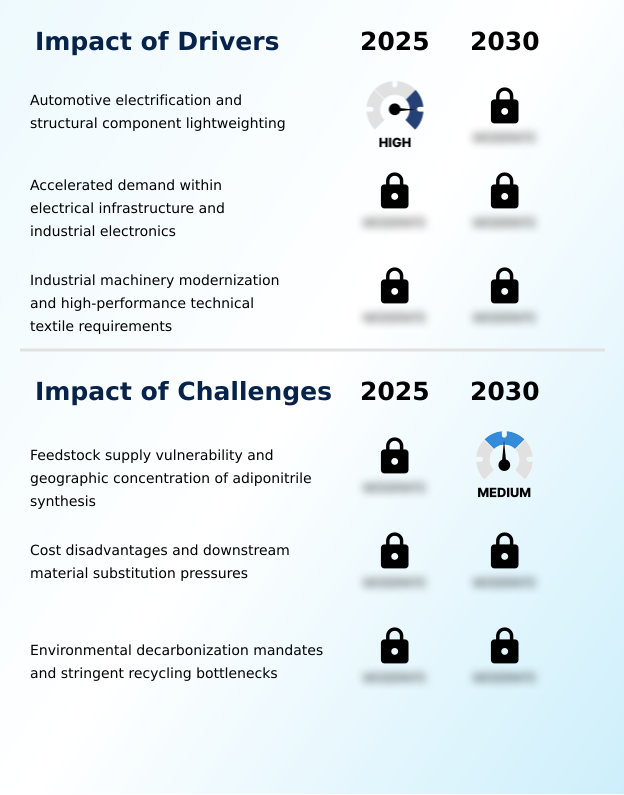
What are the key market drivers leading to the rise in the adoption of Nylon 66 Industry?
- The rapid acceleration of automotive electrification, coupled with critical structural component lightweighting initiatives, serves as the primary catalyst propelling market expansion.
- The rapid transformation of commercial transportation toward electric mobility serves as a primary operational catalyst accelerating specialized material adoption.
- As vehicle design engineers confront stringent efficiency targets, replacing heavy metallic structures with advanced polymers directly enables vital automotive lightweighting, allowing manufacturers to decrease overall sub-assembly weights by up to 45%.
- Because electric powertrains generate intense heat across delicate thermal management circuits, the specification of durable structural components surrounding high-voltage enclosures is absolutely essential to prevent system failure.
- Utilizing specialized flame-retardant compounding ensures that these critical safety elements maintain superior dielectric strength and high heat deflection thresholds under dynamic load.
- By optimizing polymer crystallization rates during processing, assembly lines also achieve a 15% reduction in robotic handling strain, thereby lowering facility energy consumption. This exceptional performance profile concurrently drives massive adoption within expanding renewable energy hardware installations globally.
What are the market trends shaping the Nylon 66 Industry?
- The commercialization of bio-based precursors and closed-loop circular polyamides has emerged as a definitive market trend. This strategic shift reflects a broader industry commitment to advancing sustainable supply chains and reducing reliance on traditional fossil-derived feedstocks.
- A pronounced shift toward environmental sustainability and specialized material architecture is fundamentally reshaping polymer formulation strategies. Regulatory pressures tied to circular economy directives compel compounders to commercialize sustainable aliphatic polyamides using certified mass-balance feedstocks.
- This transition yields substantial business benefits; companies utilizing optimized supply networks have successfully lowered their material carbon intensities by 35% without disrupting intricate molecular chain packing or degrading fundamental vibration dampening characteristics. Furthermore, enhancing these sustainable streams reduces dependency on imported intermediates by up to 20%, strengthening operational resilience.
- By incorporating specialized additives, these eco-friendly grades achieve the necessary melt flowability and elevated comparative tracking index ratings required for a modern battery electric vehicle architecture. Consequently, the rising deployment of these high-performance materials, alongside advanced biaxial stretching techniques for superior multi-layer coextruded films, allows downstream manufacturers to maximize dielectric breakdown strength while satisfying aggressive corporate sustainability targets.
What challenges does the Nylon 66 Industry face during its growth?
- Persistent feedstock supply vulnerabilities and the acute geographic concentration of adiponitrile synthesis remain substantial structural bottlenecks constraining broader industry stability.
- Severe upstream supply chain vulnerabilities consistently constrain production stability and procurement forecasting across the engineered plastics sector. The complex polycondensation of essential intermediate chemicals, specifically hexamethylenediamine and adipic acid, relies on highly concentrated geographic production hubs. Because the synthesis of adiponitrile requires immense capital investment, downstream compounders frequently encounter raw material deficits that immediately trigger dramatic cost inflation.
- These unexpected pricing spikes force manufacturers to reconsider material allocation, leading to a 25% increase in substitution testing for alternative engineering polymers that offer a comparable friction coefficient but lack requisite mechanical tensile strength. Furthermore, adjusting injection molding lines to accommodate substitute materials drives up re-tooling expenses by nearly 15%, significantly deteriorating operational margins.
- Overcoming this chronic supply fragility complicates just-in-time manufacturing schedules for critical electrical switchgear assemblies, compelling the industry to invest heavily in complex chemical depolymerization and advanced mechanical recycling networks to secure localized material pipelines.
Exclusive Technavio Analysis on Customer Landscape
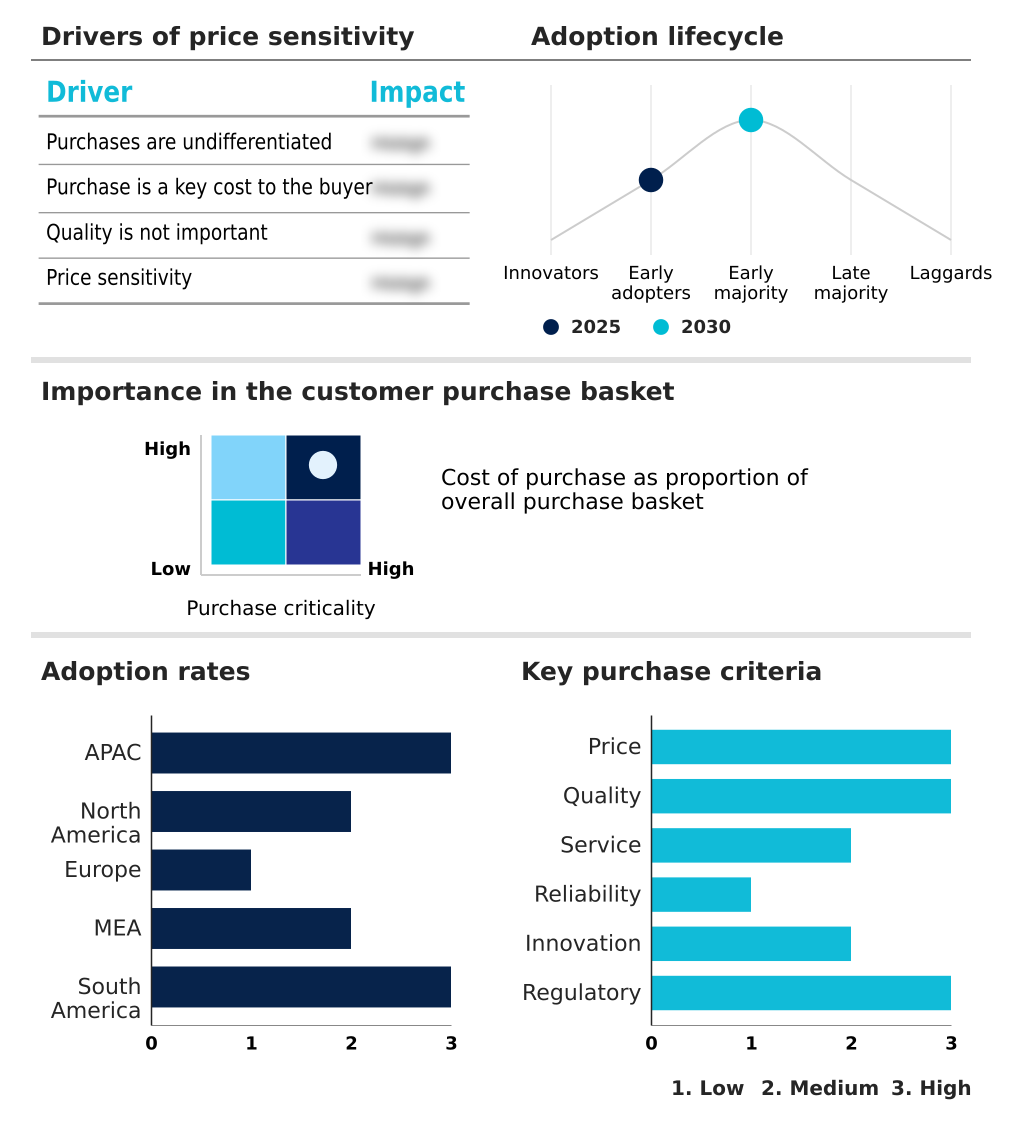
The nylon 66 market forecasting report includes the adoption lifecycle of the market, covering from the innovator’s stage to the laggard’s stage. It focuses on adoption rates in different regions based on penetration. Furthermore, the nylon 66 market report also includes key purchase criteria and drivers of price sensitivity to help companies evaluate and develop their market growth analysis strategies.
Customer Landscape of Nylon 66 Industry
Competitive Landscape
Companies are implementing various strategies, such as strategic alliances, nylon 66 market forecast, partnerships, mergers and acquisitions, geographical expansion, and product/service launches, to enhance their presence in the industry.
AKRO PLASTIC GmbH - The focus encompasses flame-retardant and reinforced engineering compounds designed to optimize structural rigidity and thermal resistance across rigorous automotive, industrial, and electrical applications.
The industry research and growth report includes detailed analyses of the competitive landscape of the market and information about key companies, including:
- AKRO PLASTIC GmbH
- Asahi Kasei Corp.
- Ascend Performance Materials
- Avient Corp.
- B.R Polymers
- BASF SE
- Celanese Corp.
- Chevy Polymers
- Dodhia Group
- Domo Chemicals GmbH
- Envalior GmbH
- Huafon Group Co. Ltd
- INVISTA Equities LLC
- Kolon Global Corp.
- Madura Industrial Textiles Ltd.
- NILIT
- Shenma Industrial Co. Ltd.
- Toray Industries Inc.
- Ube Corp.
- Wanhua Chemical Group Co. Ltd.
Qualitative and quantitative analysis of companies has been conducted to help clients understand the wider business environment as well as the strengths and weaknesses of key industry players. Data is qualitatively analyzed to categorize companies as pure play, category-focused, industry-focused, and diversified; it is quantitatively analyzed to categorize companies as dominant, leading, strong, tentative, and weak.
Recent Development and News in Nylon 66 market
- In the Specialty Chemicals industry, the rapid scale-up of the butadiene hydrocyanation process has expanded critical monomer capacity by over 20%, directly impacting global Nylon 66 market demand by stabilizing supply chains for high-performance polymers utilized in electric mobility architectures.
- In the Specialty Chemicals industry, stricter regulations targeting a 30% carbon footprint reduction have accelerated the commercialization of closed-loop manufacturing frameworks, boosting the utilization of post-industrial scrap recovery streams to formulate sustainable aliphatic polyamides.
- In the Specialty Chemicals industry, the transition toward renewable energy hardware operating above 800-volt thresholds has necessitated compounds with enhanced dielectric breakdown strength, compelling Nylon 66 manufacturers to integrate halogen-free flame retardants for electrical switchgear.
- In the Specialty Chemicals industry, advancements in technical textile fabrication processes have improved polymer crystallization controls by nearly 15%, increasing the adoption of specialized polycondensation outputs for structural components that require extreme mechanical tensile strength.
Dive into Technavio’s robust research methodology, blending expert interviews, extensive data synthesis, and validated models for unparalleled Nylon 66 Market insights. See full methodology.
| Market Scope | |
|---|---|
| Page number | 322 |
| Base year | 2025 |
| Historic period | 2020-2024 |
| Forecast period | 2026-2030 |
| Growth momentum & CAGR | Accelerate at a CAGR of 3.7% |
| Market growth 2026-2030 | USD 1484.7 million |
| Market structure | Fragmented |
| YoY growth 2025-2026(%) | 3.6% |
| Key countries | China, Japan, India, South Korea, Indonesia, Australia, US, Canada, Mexico, Germany, Italy, France, UK, Spain, The Netherlands, Turkey, South Africa, Saudi Arabia, UAE, Israel, Brazil, Argentina and Colombia |
| Competitive landscape | Leading Companies, Market Positioning of Companies, Competitive Strategies, and Industry Risks |
Research Analyst Overview
- The operational landscape for engineering thermoplastics continues to evolve as manufacturers demand materials capable of surviving severe mechanical fatigue and electrical stress. Boardroom executives are increasingly prioritizing resilient supply networks, leveraging localized polycondensation frameworks to secure uninterrupted access to critical hexamethylenediamine and adipic acid inventories.
- This strategic alignment insulates production schedules from volatile international trade disruptions, enabling enterprises to maintain strict delivery commitments. By implementing localized intermediate sourcing, compounders have achieved a 20% reduction in raw material lead times, significantly enhancing overall inventory turnover efficiency.
- The utilization of advanced injection molding techniques ensures that these robust polymers achieve exact dimensional tolerances for complex automotive and industrial hardware. Furthermore, the integration of chemical depolymerization provides a viable pathway to recover industrial waste streams without compromising fundamental material integrity.
- Modern processors now utilize mechanical recycling networks to formulate sustainable grades that retain superior dielectric strength and impact durability. Ultimately, the consistent deployment of these high-grade resins allows leading component manufacturers to optimize product lifecycle longevity while satisfying increasingly rigorous global safety and environmental compliance mandates.
What are the Key Data Covered in this Nylon 66 Market Research and Growth Report?
-
What is the expected growth of the Nylon 66 Market between 2026 and 2030?
-
USD 1.48 billion, at a CAGR of 3.7%
-
-
What segmentation does the market report cover?
-
The report is segmented by Product Type (Engineering resin grade, Fiber grade, Specialty and modified, and Film and extrusion grade), Application (Automotive and transportation, Electrical and electronics, Textiles and apparel, Industrial equipment, and Others), Type (Plastic resins and compounds, Fibers and filaments, Monofilaments, and Films and sheets) and Geography (APAC, North America, Europe, Middle East and Africa, South America)
-
-
Which regions are analyzed in the report?
-
APAC, North America, Europe, Middle East and Africa and South America
-
-
What are the key growth drivers and market challenges?
-
Automotive electrification and structural component lightweighting, Feedstock supply vulnerability and geographic concentration of adiponitrile synthesis
-
-
Who are the major players in the Nylon 66 Market?
-
AKRO PLASTIC GmbH, Asahi Kasei Corp., Ascend Performance Materials, Avient Corp., B.R Polymers, BASF SE, Celanese Corp., Chevy Polymers, Dodhia Group, Domo Chemicals GmbH, Envalior GmbH, Huafon Group Co. Ltd, INVISTA Equities LLC, Kolon Global Corp., Madura Industrial Textiles Ltd., NILIT, Shenma Industrial Co. Ltd., Toray Industries Inc., Ube Corp. and Wanhua Chemical Group Co. Ltd.
-
Market Research Insights
- The Nylon 66 Market functions as a critical enabler for modern industrial engineering, providing high-performance polymers essential for extreme mechanical and thermal environments. By transitioning to these advanced resins, automotive manufacturers achieve a 40% mass reduction in under-the-hood components, significantly improving vehicle energy efficiency and regulatory compliance.
- Furthermore, the integration of halogen-free flame retardants in electrical hardware boosts component safety ratings, reducing field failure rates by up to 25% in high-voltage applications. As sustainability becomes a core operational mandate, leading compounders are accelerating carbon footprint reduction initiatives, driving a 30% increase in the utilization of circular economy directives to process industrial waste.
- These measurable shifts highlight the indispensable role of the material in optimizing manufacturing performance and structural reliability.
We can help! Our analysts can customize this nylon 66 market research report to meet your requirements.
 RIA -