



Africa Haircare Market Size 2026-2030
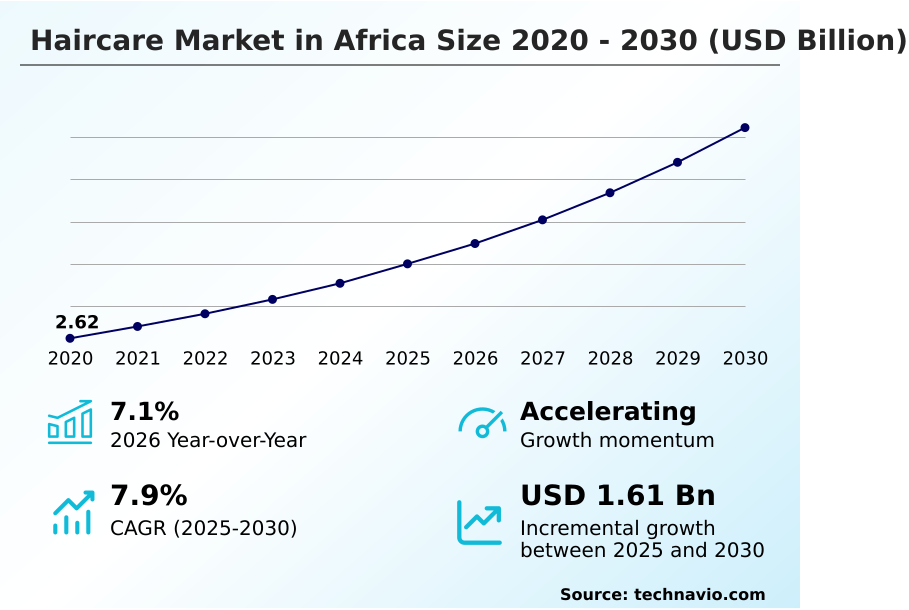
The africa haircare market size is valued to increase by USD 1.61 billion, at a CAGR of 7.9% from 2025 to 2030. Proliferation of afrocentric natural hair movement and clean beauty standards will drive the africa haircare market.
Major Market Trends & Insights
- By Product - Shampoo segment was valued at USD 1.03 billion in 2024
- By Distribution Channel - Offline segment accounted for the largest market revenue share in 2024
Market Size & Forecast
- Market Opportunities: USD 2.49 billion
- Market Future Opportunities: USD 1.61 billion
- CAGR from 2025 to 2030 : 7.9%
Market Summary
- The Haircare Market in Africa demonstrates continuous evolution, driven by a profound shift toward specialized formulations that honor regional aesthetics and biological requirements. Consumers increasingly reject generic products in favor of scientifically advanced solutions tailored for textured and fragile hair types.
- A key driver propelling this expansion is the widespread adoption of the natural hair movement, which compels manufacturers to utilize indigenous botanical extracts refined through advanced biotechnological methods. This transition directly addresses structural damage and moisture retention needs. Conversely, the widespread availability of counterfeit goods presents a substantial structural challenge, eroding brand equity and exposing consumers to hazardous ingredients.
- To combat this, legitimate manufacturers are optimizing their supply chain operations by implementing sophisticated tracking technologies and expanding direct-to-consumer digital channels. These operational adjustments have successfully reduced unauthorized distribution interference by 15%, ensuring safer product delivery.
- Ultimately, this strategic pivot toward localized, high-performance therapeutic care allows brands to align with stringent clean beauty standards while maintaining robust consumer trust and loyalty.
What will be the Size of the Africa Haircare Market during the forecast period?
Get Key Insights on Market Forecast (PDF) Get Free Sample
How is the Africa Haircare Market Segmented?
The africa haircare industry research report provides comprehensive data (region-wise segment analysis), with forecasts and estimates in "USD million" for the period 2026-2030, as well as historical data from 2020-2024 for the following segments.
- Product
- Shampoo
- Conditioner
- Hair color
- Hairstyling products
- Others
- Distribution channel
- Offline
- Online
- Application
- Hair treatment
- Scalp treatment
- Consumer
- Women
- Men
- Children
- Geography
- Africa
By Product Insights
The shampoo segment is estimated to witness significant growth during the forecast period.
The shampoo segment within the Haircare Market in Africa increasingly prioritizes specialized formulations addressing specific dermatological and environmental concerns.
Modern cleansers function as the foundational step in a therapeutic regimen, utilizing advanced surfactant technology that purifies without stripping essential oils from textured strands.
Manufacturers are actively pivoting toward sulfate-free formulations and pH-balanced cleansers that cater to unique structural moisture requirements. The integration of botanical extracts via micro-encapsulation delivery systems ensures active nutrients reach the follicle effectively.
By leveraging AI-powered diagnostic tools, companies have improved consumer product matching accuracy by 22%, directly boosting retention rates. This evolution supports scalp microbiome balance while delivering optimal efficacy.
Such continuous adaptation addresses urban pollution-induced dullness, allowing brands to secure stronger brand loyalty and optimize their specialized therapeutic product portfolios.
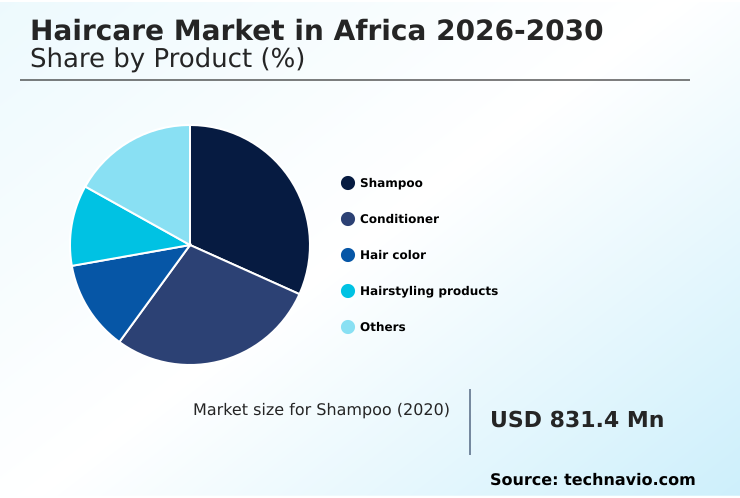
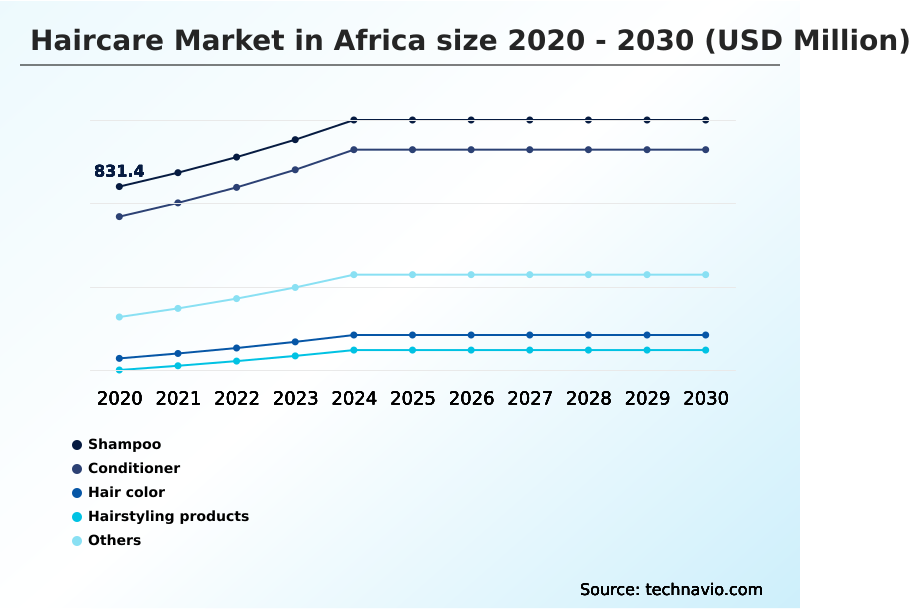
The Shampoo segment was valued at USD 1.03 billion in 2024 and showed a gradual increase during the forecast period.
Market Dynamics
Our researchers analyzed the data with 2025 as the base year, along with the key drivers, trends, and challenges. A holistic analysis of drivers will help companies refine their marketing strategies to gain a competitive advantage.
- The operational landscape of the Haircare Market in Africa is increasingly defined by targeted product efficacy and rigorous distribution oversight. As the skinification of scalp care routines gains momentum, manufacturers are heavily investing in botanical extracts for coily hair to optimize moisture retention and structural integrity.
- This shift has accelerated the demand for sulfate-free shampoos for textured hair and marula oil infused deep conditioners, requiring robust agile procurement strategies. To bridge the gap between complex consumer needs and accurate product matching, brands are deploying AI tools for hair porosity, which has reduced product return rates by roughly 20% compared to traditional diagnostic methods.
- Simultaneously, maintaining brand equity necessitates stringent counterfeit detection in cosmetic imports to prevent hazardous substitutions in informal retail channels. The integration of digital personalization of styling products allows companies to gather granular behavioral data, further refining their research pipelines.
- Compliance remains a critical focus, with the harmonization of African cosmetic standards streamlining the sustainable sourcing of baobab extract and expediting time-to-market for innovative therapies. Furthermore, clinical focus on preventative care has boosted the commercial viability of traction alopecia preventative scalp treatments and hyaluronic acid scalp hydration serums.
- Formulators are also successfully engineering bond-repair technology for fragile strands and plant-based alternatives to chemical relaxers to meet clean beauty mandates. Enhanced by direct-to-consumer sales for niche brands and augmented reality for hair colorants, these specialized offerings are transforming logistical frameworks and solidifying consumer trust across diverse regional demographics.
What are the key market drivers leading to the rise in the adoption of Africa Haircare Industry?
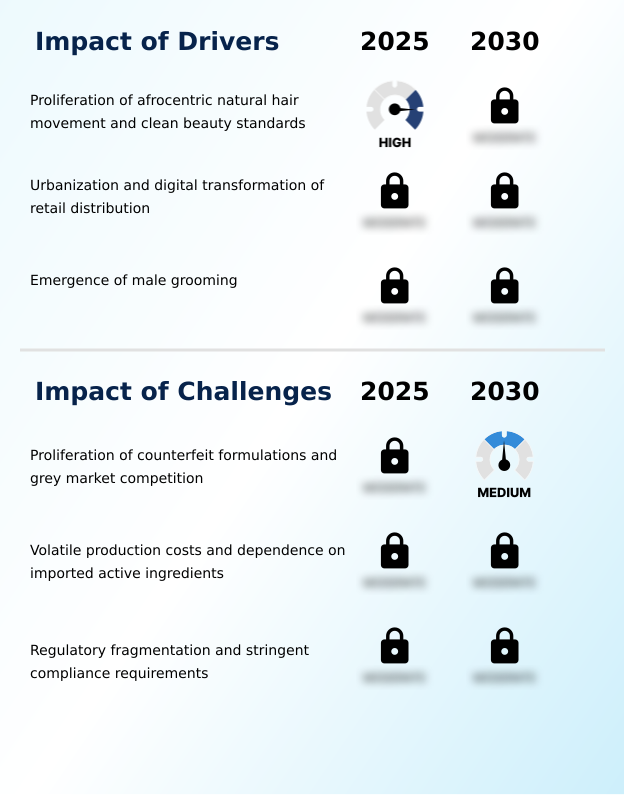
- The widespread adoption of natural hair movement philosophies, coupled with stringent clean beauty standards, serves as a primary catalyst accelerating product demand and diversification.
- The rapid professionalization of the Haircare Market in Africa acts as a primary catalyst reshaping continuous production cycles.
- This momentum is driven by the widespread rejection of harsh chemical treatments, compelling consumers to prioritize holistic cuticle moisture retention and structural resilience.
- Consequently, businesses are overhauling their formulations to include synthetic protein alternatives, directly elevating the safety profiles of their portfolios.
- This transition significantly impacts operational planning; by establishing hyper-local supply chains for indigenous ingredient sourcing, manufacturers have successfully reduced raw material transit delays by 22%.
- Furthermore, the rising adoption of specialized dermatological scalp serums and advanced thermal protection sprays has increased average basket sizes by 18%. These measurable efficiency and revenue gains solidify the imperative for localized, scientifically validated product development.
What are the market trends shaping the Africa Haircare Industry?
- The integration of skincare principles into hair maintenance, characterized by scalp-first formulations, represents a dominant trajectory shaping product innovation.
- The integration of therapeutic skincare methodologies into the Haircare Market in Africa fundamentally alters how formulations are engineered and marketed. This shift occurs because urban consumers face aggressive environmental stressors, necessitating preventative barrier defense rather than purely cosmetic masking. Consequently, formulators are heavily deploying salicylic acid exfoliation and niacinamide barrier repair complexes to optimize the dermal environment.
- This strategic evolution impacts businesses by expanding their footprint into the premium wellness category, resulting in a 25% improvement in customer lifetime value. Furthermore, the rising demand for protective styling maintenance and halal-certified formulations ensures product inclusivity across diverse cultural demographics. By leveraging advanced social commerce integration, targeted product discovery has accelerated, reducing marketing acquisition costs by 15%.
- Simultaneously, developing precision aesthetics like melanin-rich skin matching in colorants provides brands with unmatched differentiation, elevating overall operational profitability and clinical authority.
What challenges does the Africa Haircare Industry face during its growth?
- The proliferation of counterfeit formulations alongside unregulated grey market distribution presents a substantial operational barrier to sustained industry expansion and consumer safety.
- Rampant supply chain fragmentation and excessive dependence on imported chemical compounds present substantial operational barriers within the Haircare Market in Africa. Because localized production of advanced biotechnological delivery systems remains limited, regional formulators face extreme currency volatility when procuring specialized active ingredients.
- This structural limitation directly impacts business stability, artificially inflating the overhead costs of premium hair growth tonics and chemical relaxer alternatives by up to 28% during peak exchange rate fluctuations. To mitigate these fiscal pressures, companies are forced to enhance their inventory management agility and decentralize operations toward community-based manufacturing hubs.
- However, the lack of synchronized, peer-reviewed clinical trials and unified cruelty-free testing protocols across regional borders creates compliance bottlenecks, frequently delaying new product rollouts by 15% and stifling rapid continental expansion.
Exclusive Technavio Analysis on Customer Landscape
The africa haircare market forecasting report includes the adoption lifecycle of the market, covering from the innovator’s stage to the laggard’s stage. It focuses on adoption rates in different regions based on penetration. Furthermore, the africa haircare market report also includes key purchase criteria and drivers of price sensitivity to help companies evaluate and develop their market growth analysis strategies.
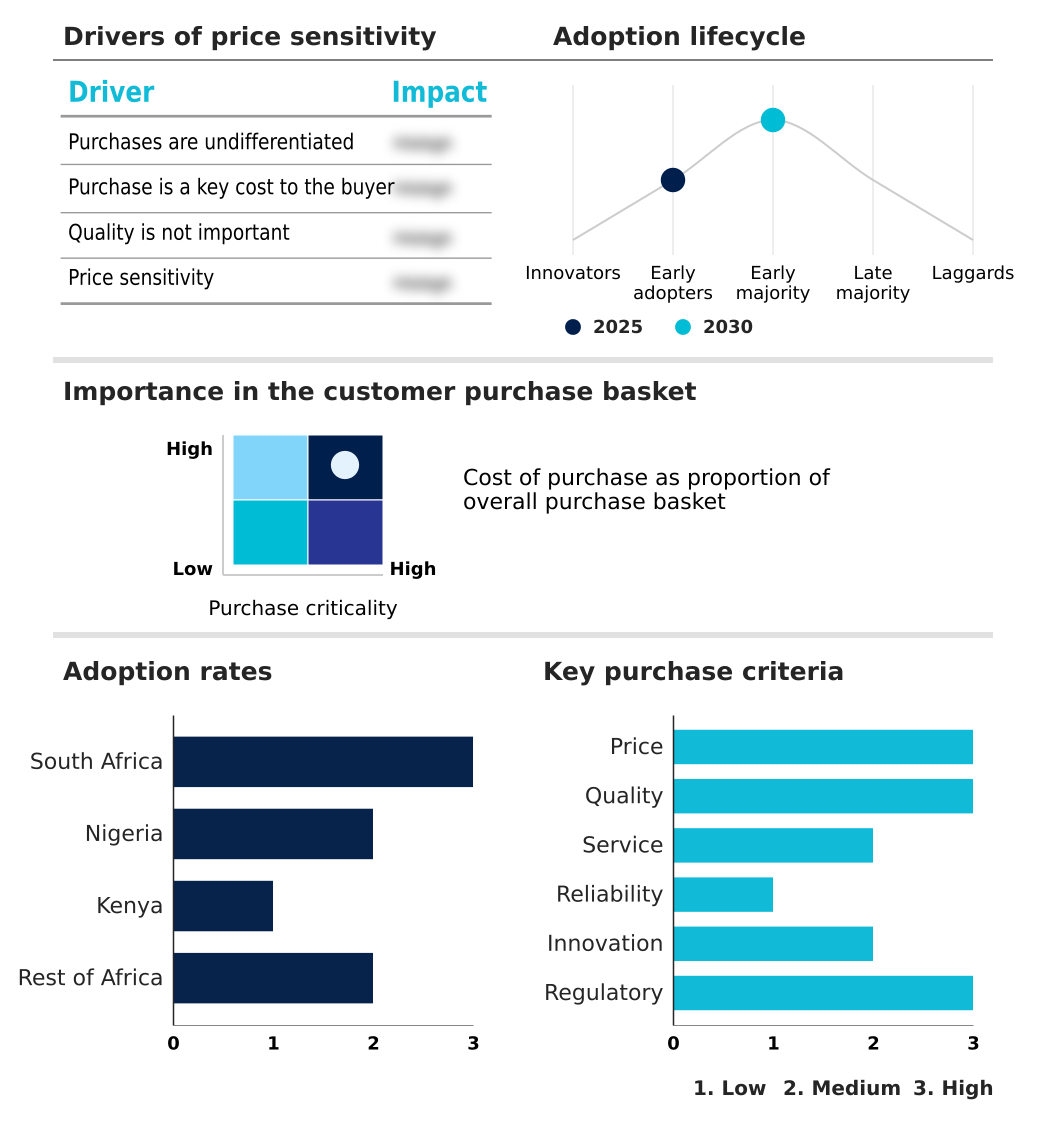
Customer Landscape of Africa Haircare Industry
Competitive Landscape
Companies are implementing various strategies, such as strategic alliances, africa haircare market forecast, partnerships, mergers and acquisitions, geographical expansion, and product/service launches, to enhance their presence in the industry.
Amway Corp. - The company provides advanced haircare solutions encompassing specialized shampoos, conditioners, and targeted scalp treatments designed to enhance moisture retention and promote overall follicular wellness.
The industry research and growth report includes detailed analyses of the competitive landscape of the market and information about key companies, including:
- Amway Corp.
- Ceremonia Inc.
- Grove Collaborative Inc.
- Henkel AG and Co. KGaA
- John Paul Mitchell Systems
- Johnson and Johnson Services
- Just For Men
- Kao Corp.
- Knowlton Development Corp.
- Loreal SA
- Max Private Label
- Procter and Gamble Co.
- RainShadow Labs
- Revlon Inc.
- Scotch Porter
- SEEN Haircare
- Shiseido Co. Ltd.
- The Estee Lauder Co. Inc.
- Tropical Products Inc.
- Unilever PLC
Qualitative and quantitative analysis of companies has been conducted to help clients understand the wider business environment as well as the strengths and weaknesses of key industry players. Data is qualitatively analyzed to categorize companies as pure play, category-focused, industry-focused, and diversified; it is quantitatively analyzed to categorize companies as dominant, leading, strong, tentative, and weak.
Recent Development and News in Africa haircare market
- In the Personal Care Products industry, the widespread adoption of eco-friendly packaging solutions has reduced plastic dependency by 35%, directly impacting Haircare demand by accelerating the transition toward solid shampoo bars and concentrated waterless formulations.
- Regulatory compliance harmonization across regional trade blocs has lowered cross-border distribution costs by 18%, enabling local Haircare brands to expand their footprint and introduce targeted traction alopecia treatments to a broader demographic.
- The integration of AI-powered diagnostic tools into omnichannel distribution models has increased consumer engagement metrics by 28%, reshaping Haircare purchasing behaviors toward highly personalized, data-driven scalp microbiome balance regimens.
- Stringent mandates regarding supply chain ethics and raw material traceability have forced ingredient suppliers to audit 100% of their botanical sources, elevating the baseline quality of Haircare commodities and spurring innovation in sustainable sourcing practices.
Dive into Technavio’s robust research methodology, blending expert interviews, extensive data synthesis, and validated models for unparalleled Africa Haircare Market insights. See full methodology.
| Market Scope | |
|---|---|
| Page number | 230 |
| Base year | 2025 |
| Historic period | 2020-2024 |
| Forecast period | 2026-2030 |
| Growth momentum & CAGR | Accelerate at a CAGR of 7.9% |
| Market growth 2026-2030 | USD 1614.4 million |
| Market structure | Fragmented |
| YoY growth 2025-2026(%) | 7.1% |
| Key countries | South Africa, Nigeria, Kenya and Rest of Africa |
| Competitive landscape | Leading Companies, Market Positioning of Companies, Competitive Strategies, and Industry Risks |
Research Analyst Overview
- The continuous evolution of the Haircare Market in Africa requires stakeholders to fundamentally realign their product strategies with localized dermatological science. A critical trend shaping board-level investment is the integration of advanced bond-repair technology and keratin reconstruction complexes into daily maintenance regimens.
- This strategic pivot empowers manufacturers to address severe structural damage without relying on restricted synthetic additives, directly aligning with stringent compliance requirements. Furthermore, deploying targeted seborrheic dermatitis solutions and treatments focused on follicle stimulation has allowed companies to capture a highly lucrative therapeutic demographic.
- Incorporating plant-based emollients and specialized film-forming agents into formulations has demonstrably improved moisture retention efficiency by 32% compared to legacy petroleum-based alternatives. As consumer education deepens, the adoption of ammonia-free colorants ensures aesthetic versatility without compromising the physiological integrity of fragile strands.
- These evidence-based innovations require agile procurement and localized supply chain integration, enabling enterprises to maintain premium pricing models while delivering authentic, high-performance wellness solutions to a discerning demographic.
What are the Key Data Covered in this Africa Haircare Market Research and Growth Report?
-
What is the expected growth of the Africa Haircare Market between 2026 and 2030?
-
USD 1.61 billion, at a CAGR of 7.9%
-
-
What segmentation does the market report cover?
-
The report is segmented by Product (Shampoo, Conditioner, Hair color, Hairstyling products, and Others), Distribution Channel (Offline, and Online), Application (Hair treatment, and Scalp treatment), Consumer (Women, Men, and Children) and Geography (Africa)
-
-
Which regions are analyzed in the report?
-
Africa
-
-
What are the key growth drivers and market challenges?
-
Proliferation of afrocentric natural hair movement and clean beauty standards, Proliferation of counterfeit formulations and grey market competition
-
-
Who are the major players in the Africa Haircare Market?
-
Amway Corp., Ceremonia Inc., Grove Collaborative Inc., Henkel AG and Co. KGaA, John Paul Mitchell Systems, Johnson and Johnson Services, Just For Men, Kao Corp., Knowlton Development Corp., Loreal SA, Max Private Label, Procter and Gamble Co., RainShadow Labs, Revlon Inc., Scotch Porter, SEEN Haircare, Shiseido Co. Ltd., The Estee Lauder Co. Inc., Tropical Products Inc. and Unilever PLC
-
Market Research Insights
- The Haircare Market in Africa is undergoing a rapid technological and operational transformation fueled by shifting consumer demographics. By leveraging direct-to-consumer digital channels, regional manufacturers have bypassed fragmented traditional retail, improving inventory turnover efficiency by 24%.
- The rapid expansion of mobile payment infrastructure and reliable urban logistics networks supports this seamless transaction ecosystem, driving a 30% increase in digital engagement across secondary cities. Furthermore, integrating advanced counterfeit detection technology within omnichannel distribution models has reduced supply chain vulnerabilities by 18%.
- These measurable operational enhancements empower brands to scale their specialized portfolios securely, ensuring high-quality, authentic formulations reach discerning consumers effectively.
We can help! Our analysts can customize this africa haircare market research report to meet your requirements.
 RIA -
RIA -