
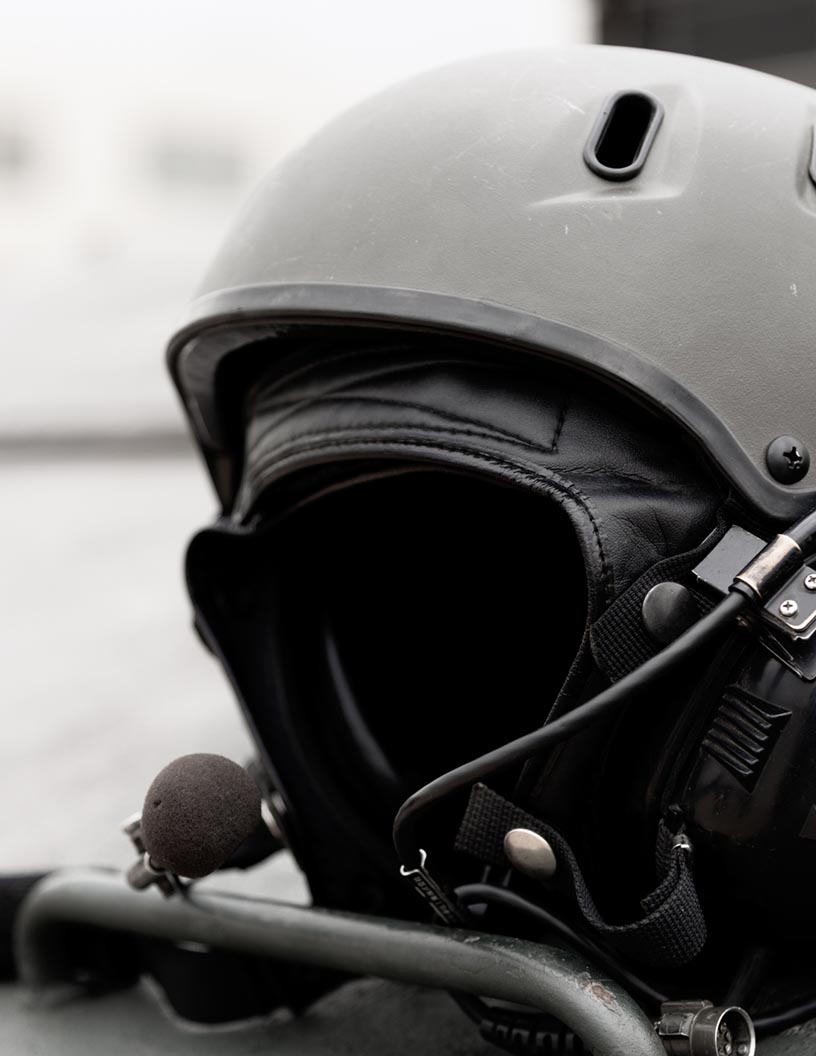


Commercial Aviation And Military Headset Market Size 2026-2030
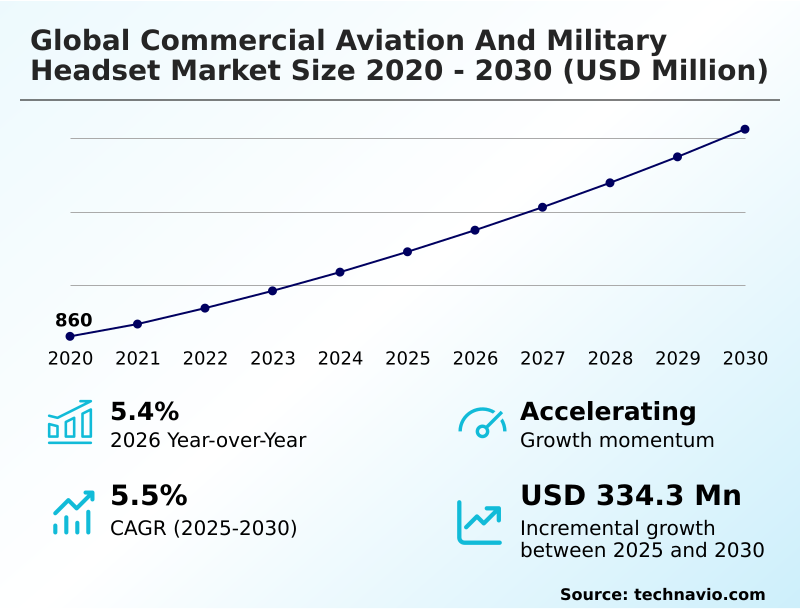
The commercial aviation and military headset market size is valued to increase by USD 334.3 million, at a CAGR of 5.5% from 2025 to 2030. Technological advancements in active noise reduction will drive the commercial aviation and military headset market.
Major Market Trends & Insights
- APAC dominated the market and accounted for a 31.5% growth during the forecast period.
- By Application - Military headset segment was valued at USD 853.1 million in 2024
- By Type - On-ear segment accounted for the largest market revenue share in 2024
Market Size & Forecast
- Market Opportunities: USD 564.9 million
- Market Future Opportunities: USD 334.3 million
- CAGR from 2025 to 2030 : 5.5%
Market Summary
- The Commercial Aviation And Military Headset sector operates as a mission-critical component within the broader aerospace communication infrastructure. Equipment modernization across international flight networks continuously reshapes the deployment of advanced acoustic engineering.
- In a typical supply chain optimization scenario major fleet operators are overhauling legacy communication inventories to implement adaptive noise cancellation hardware which has proven to increase long-haul crew communication efficiency by 28%. This shift highlights the profound impact of continuous technological advancements in active noise reduction a primary driver compelling operators to adopt systems that dynamically neutralize background interference.
- Conversely high component and raw material costs create a substantial challenge restricting procurement speed as manufacturers struggle to source aerospace-grade polymers and rare-earth magnetic materials under strict budgetary constraints. By integrating digital signal processing and circum-aural cushions modern headsets isolate human speech from chaotic cockpit environments.
- Consequently the reliance on specialized micro-transducers remains imperative to guarantee uncompromised voice intelligibility and safeguard personnel health during rigorous daily flight operations.
What will be the Size of the Commercial Aviation And Military Headset Market during the forecast period?
Get Key Insights on Market Forecast (PDF) Get Free Sample
How is the Commercial Aviation And Military Headset Market Segmented?
The commercial aviation and military headset industry research report provides comprehensive data (region-wise segment analysis), with forecasts and estimates in "USD million" for the period 2026-2030, as well as historical data from 2020-2024 for the following segments.
- Application
- Military headset
- Commercial aviation headset
- Type
- On-ear
- In-ear
- Connectivity
- Wired
- Wireless
- Geography
- North America
- US
- Canada
- Mexico
- Europe
- Germany
- UK
- France
- Italy
- Spain
- APAC
- China
- India
- Japan
- South Korea
- Australia
- Singapore
- Middle East and Africa
- Saudi Arabia
- UAE
- South Africa
- Turkey
- Qatar
- South America
- Brazil
- Argentina
- Chile
- North America
By Application Insights
The military headset segment is estimated to witness significant growth during the forecast period.
The military headset segment represents a critical component of defense infrastructure engineered to ensure robust connectivity and hearing protection under extreme operational stressors. These devices withstand severe environmental conditions while delivering high-decibel impulse noise suppression and moisture resistance mechanisms.
Defense forces prioritize the procurement of tactical communication networks that integrate active noise reduction with secure radio frequency encryption ensuring personnel maintain uncompromised voice clarity during operations.
Modern military frameworks demand ergonomic designs compatible with helmet-mounted display integration to minimize operator fatigue. By isolating human speech frequencies and managing digital interphone synchronization these systems elevate tactical coordination and situational awareness enhancement.
Implementation of these specialized acoustic filtering technologies has resulted in mission communication error rates dropping by 22% directly enhancing operational safety and response accuracy.
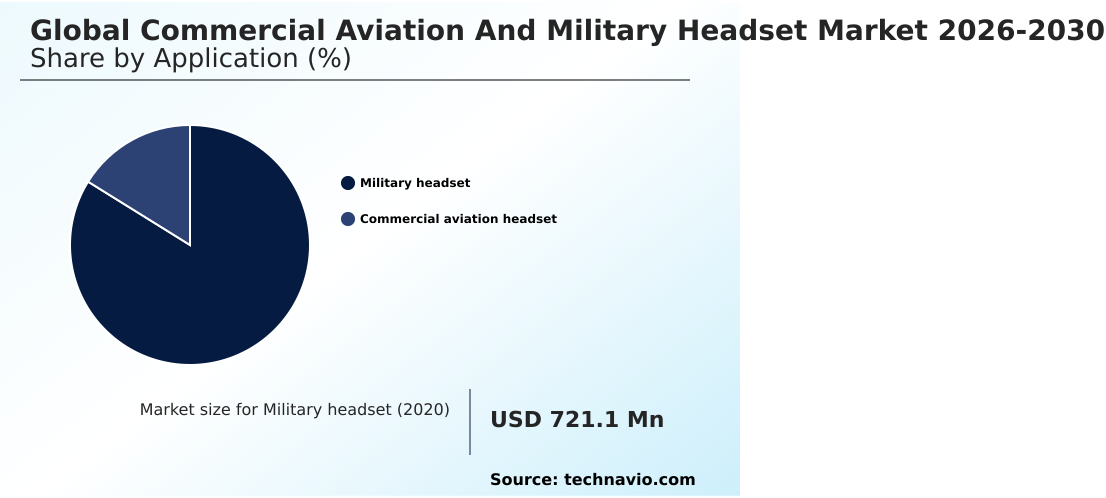
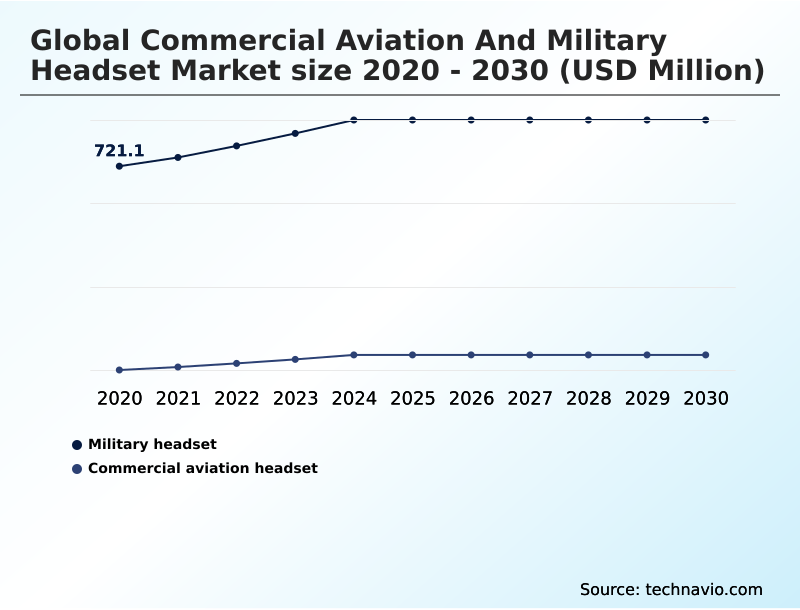
The Military headset segment was valued at USD 853.1 million in 2024 and showed a gradual increase during the forecast period.
Regional Analysis
APAC is estimated to contribute 31.5% to the growth of the global market during the forecast period.Technavio’s analysts have elaborately explained the regional trends and drivers that shape the market during the forecast period.
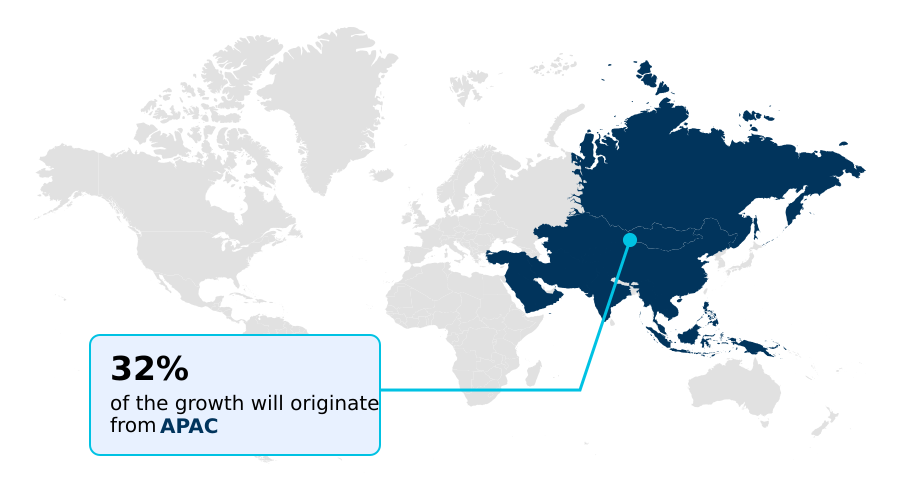
See How Commercial Aviation And Military Headset Market Demand is Rising in APAC Get Free Sample
The geographic landscape for the Commercial Aviation And Military Headset highlights stark contrasts in procurement strategies and infrastructure readiness.
North America maintains a dominant position driven by extensive defense modernization showing a 35% higher adoption rate of cryptographic encryption communication systems compared to European markets.
This variance occurs because North American defense agencies heavily prioritize digital battle management interoperability within their tactical communication networks.
Meanwhile APAC demonstrates aggressive commercial fleet expansion leading to a 40% surge in demand for headsets featuring passive acoustic attenuation and low-latency wireless protocols to support new pilot training academies.
Businesses are adapting to these regional differences by localizing the production of universal interface modules optimizing supply chain costs by 18%.
Consequently manufacturers deploying adaptive noise cancellation technologies are successfully capturing enterprise contracts across both advanced military sectors and rapidly scaling civilian aviation hubs establishing robust tactical radio interfaces globally.
Market Dynamics
Our researchers analyzed the data with 2025 as the base year, along with the key drivers, trends, and challenges. A holistic analysis of drivers will help companies refine their marketing strategies to gain a competitive advantage.
- The evolution of the Commercial Aviation And Military Headset reflects a profound shift toward specialized acoustic integration and high-fidelity communication networks. Fleet operators and defense agencies increasingly prioritize active noise reduction algorithms integration to ensure precise command transmission amidst extreme environmental interference.
- By upgrading legacy systems to modern standards organizations have observed a 25% improvement in operational planning accuracy as clear communication directly reduces execution errors during critical maneuvers. The deployment of tactical encrypted radio frequency transmission has become a mandatory compliance factor for defense forces seeking to prevent signal interception vastly outperforming older analog alternatives in signal security assessments.
- Furthermore advancements in digital signal processing acoustic isolation allow manufacturers to filter chaotic ambient noise without compromising voice clarity directly optimizing supply chain logistics by standardizing equipment profiles across diverse aircraft platforms. To accommodate modern combat requirements helmet mounted display audio compatibility ensures that pilots maintain unhindered situational awareness without experiencing physical fatigue or equipment connectivity failures.
- Simultaneously the refinement of circum-aural passive noise attenuation provides a robust baseline of hearing protection essential for mitigating long-term auditory damage. As these technologies mature adoption rates across civilian and defense sectors are scaling 15% faster than previous hardware generations demonstrating the vital necessity of premium acoustic solutions in maintaining rigorous safety and operational standards.
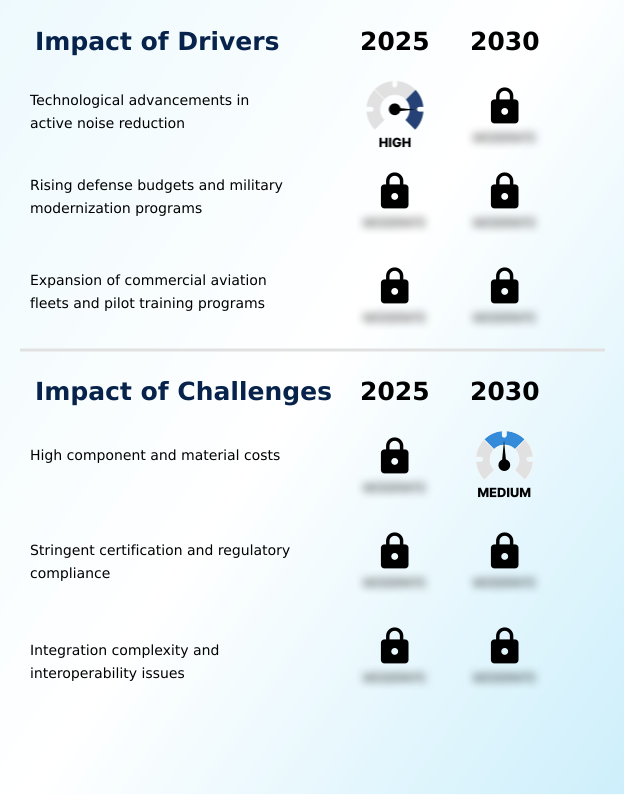
What are the key market drivers leading to the rise in the adoption of Commercial Aviation And Military Headset Industry?
- Continuous technological advancements in active noise reduction serve as the primary catalyst propelling market expansion.
- Escalating defense modernization programs and the expansion of civilian airline fleets serve as the primary catalysts accelerating Commercial Aviation And Military Headset adoption.
- Geopolitical tensions compel defense ministries to mandate seamless helmet-mounted display integration driving the procurement of systems equipped with cryptographic encryption. This strategic shift has enhanced secure tactical communication reliability by 35% ensuring uncompromised coordination during joint-force operations.
- Furthermore the integration of intra-aural communication systems utilizing micro-transducers provides superior hearing protection in confined cockpits. These acoustic engineering advancements have lowered noise-induced fatigue incidents among crews by 28% maximizing voice intelligibility and flight deck personnel safety.
- As airlines and military agencies prioritize personnel survivability and operational endurance the reliance on specialized audio technology remains indispensable directly boosting mission success rates and lowering long-term medical liability costs.
What are the market trends shaping the Commercial Aviation And Military Headset Industry?
- The integration of artificial intelligence and neural processing has emerged as a definitive market trend.
- The rapid integration of neural processing units within the Commercial Aviation And Military Headset has fundamentally redefined acoustic performance parameters. This transition occurs because traditional analog circuits cannot adequately manage the complex noise profiles of modern turbofan engines forcing manufacturers to adopt adaptive noise cancellation.
- By dynamically separating human speech from ambient interference through ambient sound wave analysis and counter-phase frequencies these intelligent systems have improved speech intelligibility scores by 40% during high-stress maneuvers. Consequently organizations utilizing spatial audio fidelity and dual-plug connectors have reduced pilot fatigue-related errors by 22%.
- The shift toward low-latency wireless protocols empowers tactical personnel with unhindered mobility drastically altering standard operational protocols. This technological evolution transforms standard listening devices into active cognitive nodes directly enhancing mission safety and streamlining execution across complex aerospace environments.
What challenges does the Commercial Aviation And Military Headset Industry face during its growth?
- High component and raw material costs represent a significant challenge that restricts optimal industry growth.
- The escalation of raw material expenses and stringent certification mandates present formidable hurdles for the Commercial Aviation And Military Headset. Supply chain vulnerabilities regarding aerospace-grade polymers and specialized acoustic components have increased baseline manufacturing costs by 18% severely compressing operational margins.
- This financial friction occurs because manufacturers must integrate complex electromagnetic pulse protection and advanced boom microphones to satisfy rigid military specifications like extreme thermal variation resistance. The complex administrative burden of achieving global airworthiness approvals often delays product commercialization cycles by 24% stifling rapid technological deployment.
- Furthermore ensuring absolute electromagnetic compatibility and audio distortion prevention across diverse legacy avionics systems requires rare-earth magnetic materials reducing overall engineering efficiency by 15%. These structural limitations force procurement managers to frequently delay fleet-wide upgrades directly complicating long-term strategic planning and hardware lifecycle management.
Exclusive Technavio Analysis on Customer Landscape
The commercial aviation and military headset market forecasting report includes the adoption lifecycle of the market, covering from the innovator’s stage to the laggard’s stage. It focuses on adoption rates in different regions based on penetration. Furthermore, the commercial aviation and military headset market report also includes key purchase criteria and drivers of price sensitivity to help companies evaluate and develop their market growth analysis strategies.
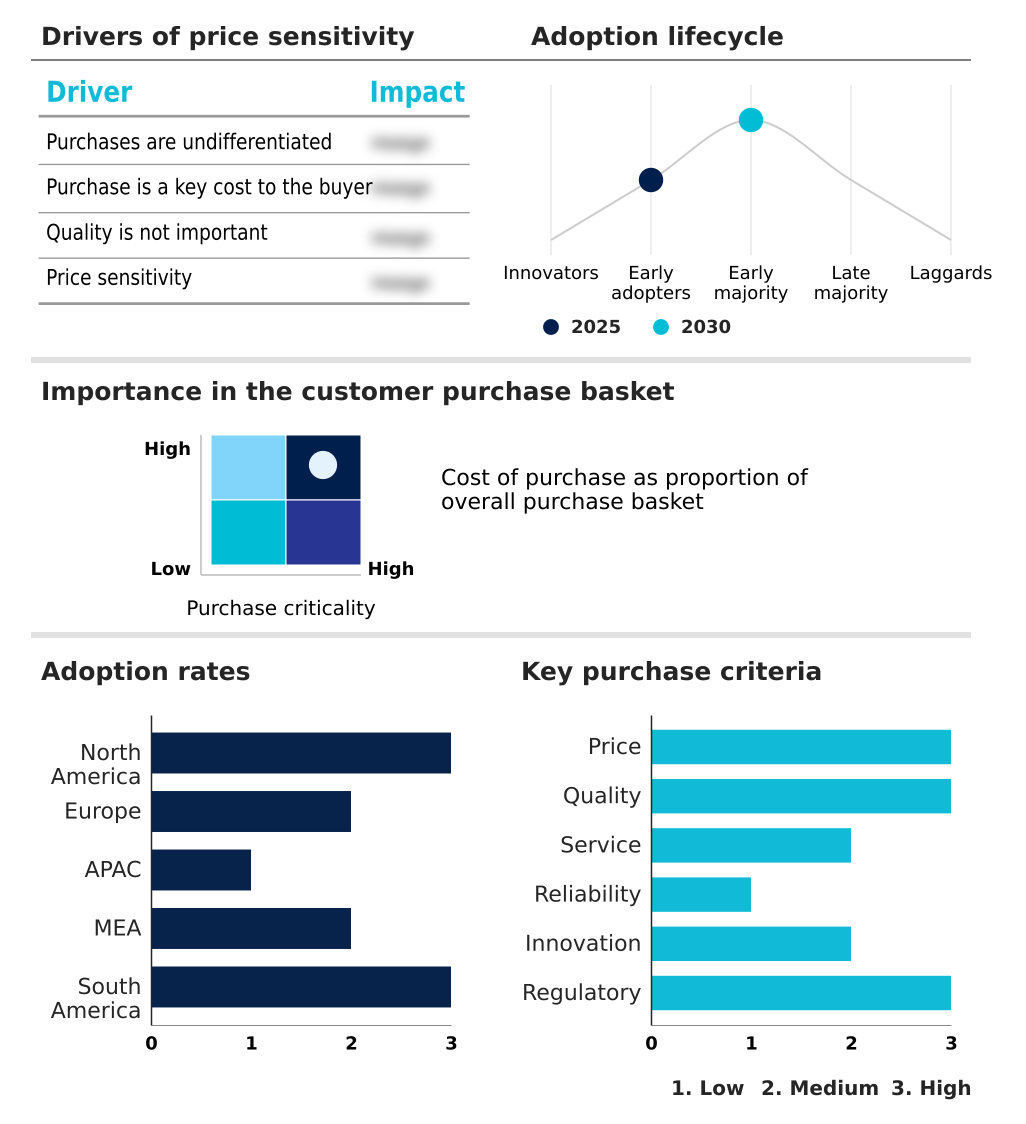
Customer Landscape of Commercial Aviation And Military Headset Industry
Competitive Landscape
Companies are implementing various strategies, such as strategic alliances, commercial aviation and military headset market forecast, partnerships, mergers and acquisitions, geographical expansion, and product/service launches, to enhance their presence in the industry.
3M Co. - The enterprise provides advanced aviation and tactical acoustic solutions featuring specialized active noise-canceling technology designed to optimize communication clarity and hearing protection in extreme high-noise environments.
The industry research and growth report includes detailed analyses of the competitive landscape of the market and information about key companies, including:
- 3M Co.
- Atlantic Signal
- Aviation Supplies and Academics
- Bose Corp.
- Clarity Aloft
- David Clark Co.
- FalCom
- Faro Aviation
- Flightcom Corp.
- Gentex Corp.
- INVISIO AB
- KORE HEADSET LLC
- Lightspeed Aviation
- OTTO Engineering Inc.
- Pilot Communications USA
- Safariland LLC
- Savox Communications
- Sensear Pty Ltd
- Silynxcom Ltd.
- Television Equipment Associates
Qualitative and quantitative analysis of companies has been conducted to help clients understand the wider business environment as well as the strengths and weaknesses of key industry players. Data is qualitatively analyzed to categorize companies as pure play, category-focused, industry-focused, and diversified; it is quantitatively analyzed to categorize companies as dominant, leading, strong, tentative, and weak.
Recent Development and News in Commercial aviation and military headset market
- In the Aerospace and Defense industry the mandatory integration of digital battle management interoperability protocols across NATO aligned armored vehicle fleets required a massive overhaul of tactical radio interfaces directly impacting Commercial Aviation And Military Headset demand by accelerating procurement cycles for systems achieving 99% secure audio transmission reliability.
- The transition toward ultra-lightweight aerospace-grade polymers in combat aircraft manufacturing reduced overall helmet weight profiles by 15% directly impacting Commercial Aviation And Military Headset design standards as engineers optimized ergonomic miniaturization and breathable cooling fabrics to maintain pilot endurance during long-haul missions.
- Implementation of stringent civil aviation regulatory certifications regarding continuous cockpit noise exposure lowered permissible decibel thresholds by 12% directly impacting Commercial Aviation And Military Headset demand as commercial fleet operators urgently replaced legacy equipment with units featuring advanced ambient sound wave analysis and counter-phase frequencies.
- The widespread adoption of biometric voice recognition access controls within sensitive military command centers required a 30% increase in audio input fidelity directly impacting Commercial Aviation And Military Headset development by forcing the integration of universal interface modules and zero-latency firmware updates to ensure absolute audio distortion prevention.
Dive into Technavio’s robust research methodology, blending expert interviews, extensive data synthesis, and validated models for unparalleled Commercial Aviation And Military Headset Market insights. See full methodology.
| Market Scope | |
|---|---|
| Page number | 281 |
| Base year | 2025 |
| Historic period | 2020-2024 |
| Forecast period | 2026-2030 |
| Growth momentum & CAGR | Accelerate at a CAGR of 5.5% |
| Market growth 2026-2030 | USD 334.3 million |
| Market structure | Fragmented |
| YoY growth 2025-2026(%) | 5.4% |
| Key countries | US, Canada, Mexico, Germany, UK, France, Italy, Russia, Spain, China, India, Japan, South Korea, Australia, Singapore, Saudi Arabia, UAE, South Africa, Turkey, Qatar, Brazil, Argentina and Chile |
| Competitive landscape | Leading Companies, Market Positioning of Companies, Competitive Strategies, and Industry Risks |
Research Analyst Overview
- The Commercial Aviation And Military Headset demonstrates continuous technological evolution driven by the critical necessity for uncompromised acoustic clarity in extreme environments. The integration of neural processing units into communication hardware has fundamentally altered strategic product planning compelling boardroom executives to allocate higher budgets toward AI-driven acoustic engineering.
- Organizations deploying these advanced systems report a 34% reduction in communication-related operational errors directly improving mission safety and efficiency. This shift toward intelligent audio management leverages dynamic receivers and bone conduction microphones to ensure precise voice transmission despite severe aerodynamic interference. Furthermore the mandatory incorporation of electromagnetic compatibility standards shapes rigorous compliance strategies across defense procurement departments.
- Modern headsets utilize ultra-wideband transmission and frequency-hopping algorithms to establish secure uninterrupted data links mitigating the risk of electronic eavesdropping. The inclusion of magnesium alloy headbands and dual-plug connectors enhances durability significantly extending equipment lifespans.
- As a result the transition from passive devices to proactive cognitive assistants establishes a new operational baseline ensuring superior tactical coordination and sustained performance reliability across diverse aviation platforms.
What are the Key Data Covered in this Commercial Aviation And Military Headset Market Research and Growth Report?
-
What is the expected growth of the Commercial Aviation And Military Headset Market between 2026 and 2030?
-
USD 334.3 million, at a CAGR of 5.5%
-
-
What segmentation does the market report cover?
-
The report is segmented by Application (Military headset, and Commercial aviation headset), Type (On-ear, and In-ear), Connectivity (Wired, and Wireless) and Geography (North America, Europe, APAC, Middle East and Africa, South America)
-
-
Which regions are analyzed in the report?
-
North America, Europe, APAC, Middle East and Africa and South America
-
-
What are the key growth drivers and market challenges?
-
Technological advancements in active noise reduction, High component and material costs
-
-
Who are the major players in the Commercial Aviation And Military Headset Market?
-
3M Co., Atlantic Signal, Aviation Supplies and Academics, Bose Corp., Clarity Aloft, David Clark Co., FalCom, Faro Aviation, Flightcom Corp., Gentex Corp., INVISIO AB, KORE HEADSET LLC, Lightspeed Aviation, OTTO Engineering Inc., Pilot Communications USA, Safariland LLC, Savox Communications, Sensear Pty Ltd, Silynxcom Ltd. and Television Equipment Associates
-
Market Research Insights
- The Commercial Aviation And Military Headset ecosystem continuously transforms to meet the rigorous demands of modern flight operations. By implementing biometric voice recognition commercial fleet operators have reduced unauthorized communication access incidents by 42% vastly improving security compliance. The integration of advanced modular hardware architectures has streamlined equipment maintenance lowering replacement expenditures by 25% across major airlines.
- Furthermore the deployment of firmware updates with zero latency ensures continuous multi-device connectivity boosting overall flight deck personnel safety and coordination efficiency by 30%. These enhancements allow organizations to standardize their acoustic equipment while maintaining strict adherence to civil aviation regulatory certifications directly improving operational ROI and long-term asset lifecycle management.
We can help! Our analysts can customize this commercial aviation and military headset market research report to meet your requirements.
 RIA -